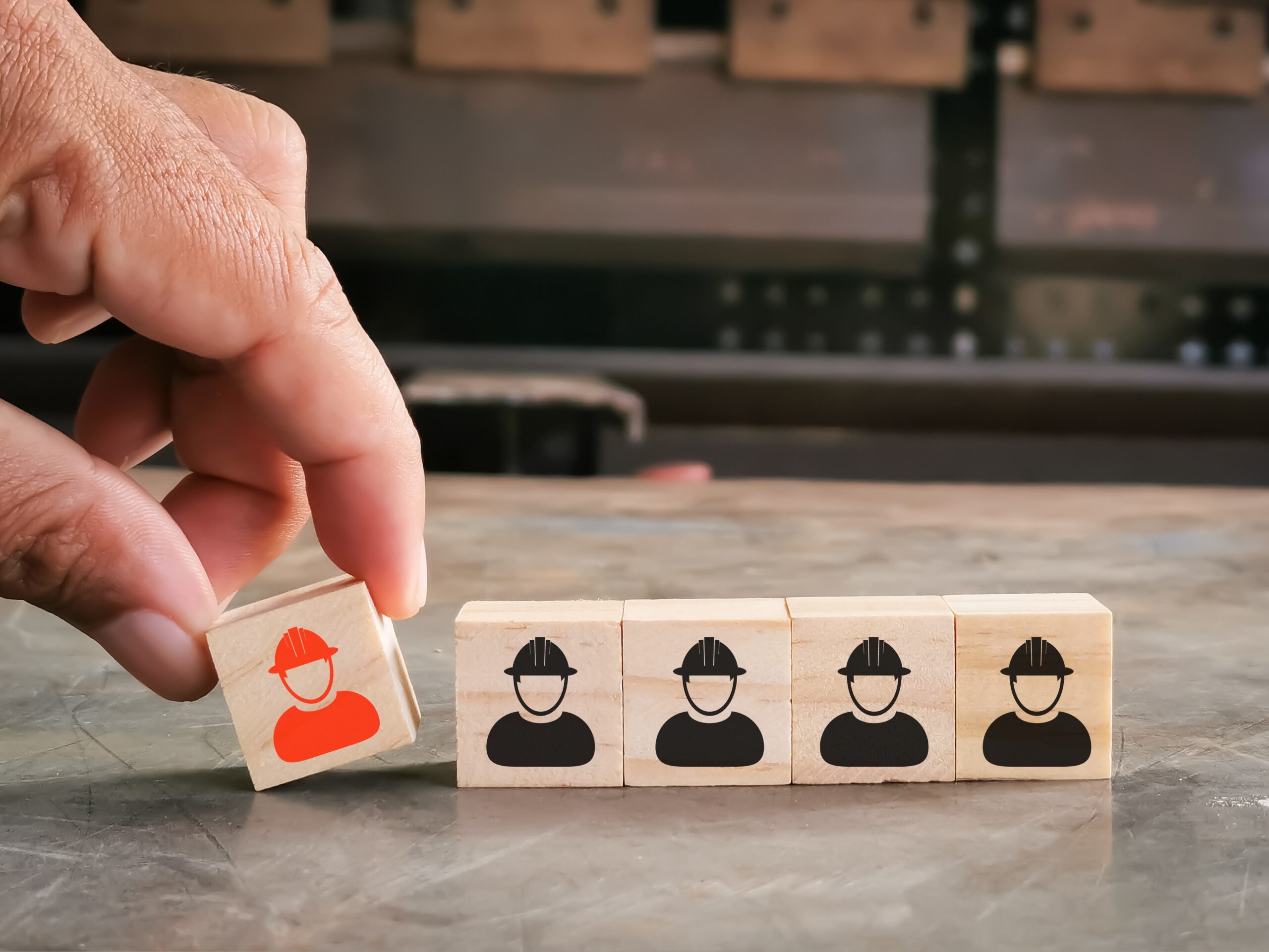

In 2026, hiring is not just about filling roles anymore. Most companies already know that. What they are paying more attention to now is what happens after the hire is made. Does the new employee adjust well? Do they understand expectations? Can they keep up with the pace of the work? Do they help the team run more smoothly, or do they create more pressure for everyone else? That is where workforce supervision becomes a much bigger part of the conversation.
A lot of businesses focus heavily on recruitment, onboarding, and operations, but supervision is what connects all of those pieces in real life. It is what helps new hires transition into their roles, keeps teams aligned during busy periods, and creates the structure people need in order to perform well. Without strong supervision, even good hires can struggle. With the right supervision in place, teams tend to become more stable, more productive, and easier to manage over time.
That is why companies in 2026 are not only thinking about who they hire, but also who is leading, guiding, and supporting those teams once people are on the floor.
Why Supervision Has a Bigger Impact Than Many Companies Realize
When people hear the word “supervision,” they sometimes think only about oversight. They picture someone checking schedules, tracking attendance, or making sure rules are followed. Those things matter, of course, but good supervision goes much deeper than that.
Strong supervisors help shape the day-to-day experience of the workforce. They influence communication, performance, accountability, morale, and how quickly problems get solved. In many environments, especially fast-paced industrial and operational ones, supervisors help set the tone for how the team functions every single day. That is why hiring without thinking about supervision often creates problems later.
A company may bring in good workers, but if the structure around them is weak, confusion can build quickly. Expectations may feel unclear. Training may be inconsistent. Small issues may go unaddressed until they become bigger ones. Over time, that can affect retention, productivity, and trust across the team.
On the other hand, when supervision is handled well, employees usually have a clearer path to success. They know where to go with questions. They understand what is expected. Managers can spot issues earlier and respond faster. The team works with more rhythm and less frustration. That kind of consistency matters more than ever in 2026.
Better Leadership Starts With Better Hiring Up Front
One of the clearest shifts businesses are making this year is paying closer attention to managerial recruitment.
For a long time, companies tended to promote or hire supervisors based mainly on availability, seniority, or immediate need. Sometimes that works. But often, it leads to leadership gaps that affect the entire workforce. Just because someone has experience in a role does not automatically mean they are prepared to guide others, communicate clearly, or manage pressure well. That is why businesses are being more intentional about how they identify and bring in leadership-level talent.
A strong manager or supervisor is not just someone who can keep things moving. They also need to know how to support people, solve problems calmly, reinforce expectations, and maintain order without creating unnecessary tension. In many ways, they become the bridge between company goals and daily execution.
When companies are more thoughtful about hiring leaders, they often start seeing benefits like:
- clearer communication across shifts
- faster problem-solving
- stronger accountability
- better team morale
- smoother onboarding for new hires
- more consistency in daily operations
Leadership has a ripple effect. When the right people are supervising teams, the whole operation usually becomes easier to manage.
Why Pre-Screening Makes Specialized Hiring Stronger
Another important shift in 2026 is that employers are placing more value on pre-screened candidates before they ever reach the final interview stage.
This matters because time is limited. Supervisors are busy. Managers are juggling priorities. Operations do not slow down just because hiring needs attention. When companies spend too much time sorting through applicants who are not aligned with the role, it drains energy from the process and delays better decisions.
Pre-screening helps narrow the field earlier. It gives employers a way to filter for experience, readiness, role fit, and basic expectations before too much time is invested. That does not mean hiring becomes cold or overly rigid. It simply means the process becomes more organized and practical.
In specialized environments, that extra structure can make a real difference.
Pre-screening can support hiring by helping businesses:
- reduce interview time spent on poor-fit applicants
- focus attention on stronger matches
- move faster without sacrificing quality
- improve role alignment from the start
- create more confidence in the final hiring decision
It also supports supervisors later on. When new hires come in with clearer fit and stronger readiness, there are usually fewer avoidable problems during training and early performance.
Some Roles Require More Precision From the Start
Not every role can be approached with the same hiring strategy. Some positions require a more focused search, better qualification standards, and a deeper understanding of what the work actually involves.
A good example of this is forklift operator recruitment. Roles like this may seem straightforward on the surface, but businesses know how important they really are. Operators often play a direct role in safety, movement, workflow, efficiency, and the pace of daily production. Bringing in the wrong person can lead to operational slowdowns, safety issues, damaged materials, or extra strain on the rest of the team.
That is why specialized roles need more than general outreach. They need a hiring process that reflects the actual demands of the position.
This often means looking more carefully at practical experience, dependability, awareness of workplace procedures, and readiness to step into the environment with confidence. The goal is not only to find someone who can technically do the job, but someone who can do it consistently and safely in a real working setting.
That kind of precision becomes even more valuable when businesses are scaling, facing tight deadlines, or trying to avoid disruptions in high-demand periods.
Specialized Hiring Is Becoming a Bigger Priority in 2026
As operations continue to evolve, more employers are filling roles that require a specific mix of experience, technical ability, and real-world fit. That is why specialized positions recruitment is becoming such an important part of workforce planning this year.
These are the roles that often cannot be filled effectively through a broad, generic hiring approach. They may involve technical tasks, equipment knowledge, leadership ability, compliance awareness, or a level of adaptability that not every candidate has. When businesses treat these roles like standard openings, they often end up with weaker results. A more focused recruitment strategy helps companies avoid that.
It allows employers to define what success in the role actually looks like before the search begins. It helps narrow down candidates who are more likely to perform well. And it creates a smoother connection between recruitment, supervision, and operations once the person is hired.
Specialized hiring tends to work better when companies take time to ask:
- What skills truly matter in this role?
- What kind of candidate has succeeded here before?
- What mistakes happen when the fit is wrong?
- Which qualifications are essential, and which can be trained?
- How can hiring and supervision stay better aligned?
Those questions lead to better decisions. And in 2026, better decisions are what businesses need most.
Good Supervision Helps New Hires Actually Succeed
One of the most overlooked parts of hiring is what happens right after someone starts. A company may find a strong candidate, complete the interview process, and feel good about the decision, but the real test begins once that person enters the day-to-day work environment. This is where supervision can either strengthen the hire or weaken the outcome.
When supervision is clear, present, and well-structured, new hires adjust faster. They know who to learn from. They receive more consistent direction. They understand expectations earlier. If a problem comes up, it is addressed before it grows.
That support can make a huge difference, especially in operational settings where timing, safety, and coordination matter every day.
Strong supervision does not need to feel controlling. In fact, the best supervision often feels steady, calm, and supportive. It gives people structure without making them feel boxed in. It creates accountability without unnecessary pressure. And it helps teams stay connected, even when the pace is high. That is what makes it so valuable.
A Human Approach Still Matters in Workforce Strategy
Even with all the systems, hiring steps, and operational goals companies are focused on in 2026, this still comes down to people.
Every open position affects a real team. Every supervisor influences real employees. Every hiring decision shapes what the work environment feels like afterward. That is why the best workforce strategies are not just efficient. They are also thoughtful.
People want clarity. They want leadership they can trust. They want a work environment that feels organized and fair. Businesses want the same kind of stability in return. They want teams that can perform well, adapt quickly, and stay aligned.
For CASEEM, that is what modern hiring support really means. It is not just about placing people into roles. It is about helping businesses create stronger structure around the people they bring in, so teams can function better long after the hiring process ends.
Final Thoughts
In 2026, strong hiring is no longer just about finding available workers. It is about creating the right support system around the workforce so people can succeed once they are in place. Better supervision, more thoughtful leadership hiring, and a more focused approach to specialized roles all contribute to a stronger operation overall. Businesses that take supervision seriously are often the ones that experience more stability, better communication, and fewer avoidable setbacks. CASEEM understands that stronger teams are built through better structure, better guidance, and smarter hiring decisions from the very beginning.