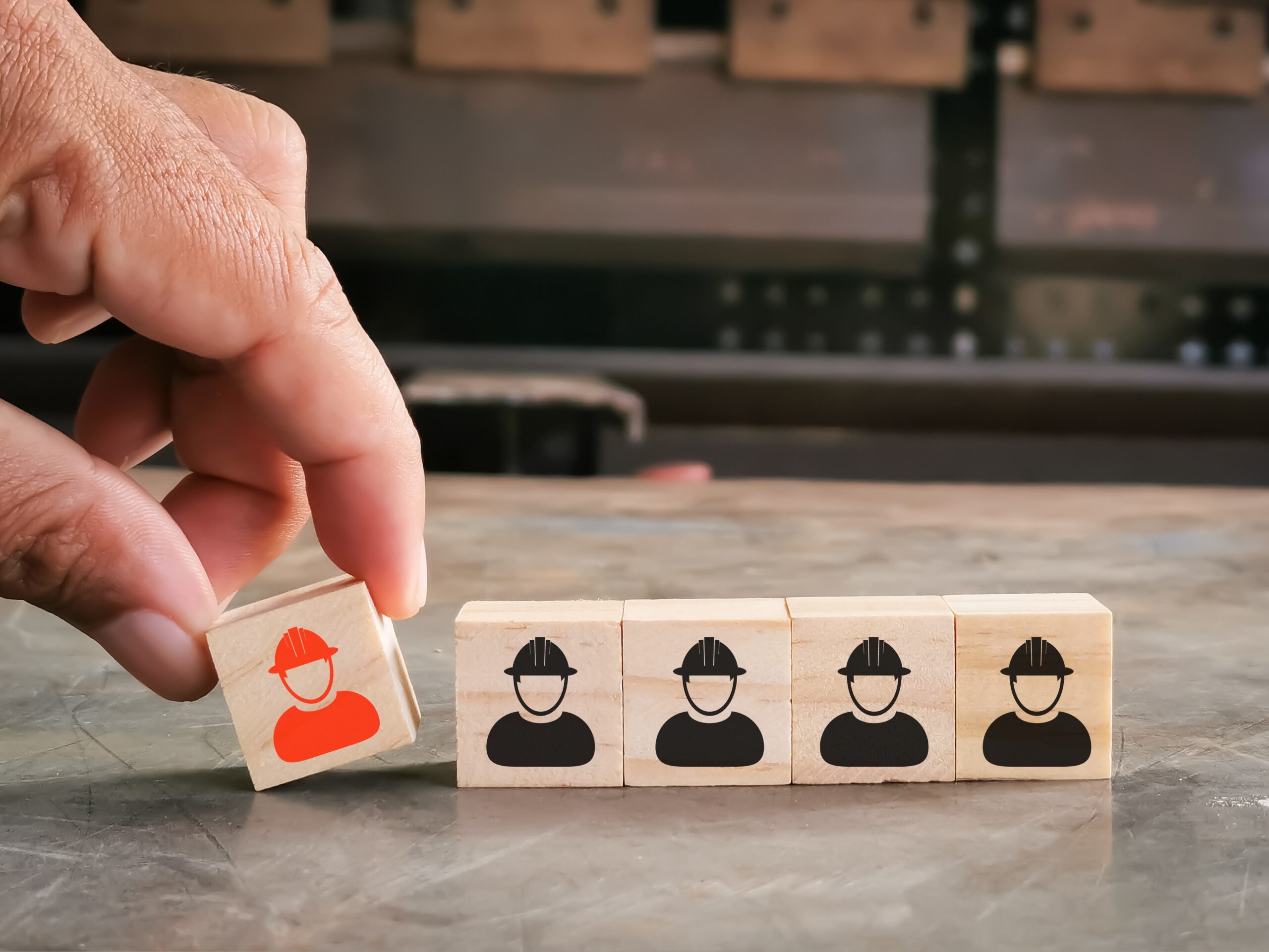

In 2026, businesses are paying much closer attention to what happens after a hire is made. For a long time, the main focus was simple: fill the role, get the person started, and keep operations moving. But now, more companies are realizing that hiring someone is only part of the picture. What really shapes daily performance is the leadership, structure, and support that person experiences once they are on the floor. That is why workforce supervision has become such an important part of the conversation.
In busy operational environments, good supervision does much more than monitor attendance or keep shifts organized. It helps create consistency, supports safety, improves communication, and gives employees the clarity they need to do their jobs well. When leadership on a shift is strong, teams tend to move with more confidence. When it is weak or inconsistent, even capable employees can struggle.
For CASEEM, this matters because stronger operations are not built only through hiring. They are built through the systems and people that help teams perform well every day. And in many industries, that starts with better shift leadership.
Why Shift Leadership Matters More in 2026
Modern operations are moving fast. Production schedules are tighter, timelines are less forgiving, and businesses are expected to stay efficient even when demand changes quickly. In that kind of environment, supervision is not just a support role. It is a key part of keeping everything stable.
A strong shift leader helps employees stay aligned with expectations, solves problems faster, and creates a more organized work environment. They become the person who helps bridge the gap between upper management and what is actually happening during day-to-day operations.
That role matters because without it, small issues can grow quickly.
A lack of supervision often leads to things like:
- inconsistent communication
- confusion around responsibilities
- slower response to problems
- weaker accountability across the team
- more pressure on experienced employees
- unnecessary mistakes during busy shifts
Most of the time, these problems are not caused by lack of effort. They happen because people need direction, structure, and support. And that is exactly what smarter supervision provides.
Safety Starts With Clear Leadership
When people talk about workplace safety, the focus usually goes to procedures, equipment, and compliance. Those things absolutely matter. But in real operations, safety is also shaped by leadership. It is influenced by how clearly expectations are communicated, how consistently standards are reinforced, and how quickly issues are addressed when something feels off. This is where strong shift leadership has a very practical impact.
A well-supervised team is more likely to follow established processes, ask questions when needed, and avoid preventable mistakes. Employees tend to feel more confident when they know who to go to and when they trust that concerns will be taken seriously. On the other hand, when leadership feels absent or inconsistent, confusion can create unnecessary risk.
Good supervision supports safety by helping teams:
- stay aligned on procedures
- communicate more clearly during fast-paced work
- reduce preventable oversights
- reinforce accountability across shifts
- respond earlier when issues appear
In other words, safer operations usually come from clearer structure, not just stricter rules.
Stability Across Shifts Does Not Happen by Accident
One of the hardest things for businesses to maintain is consistency across multiple shifts. Expectations can drift, communication can become uneven, and teams may start operating differently depending on who is leading. When that happens, stability starts to weaken. That is why businesses are becoming more thoughtful about managerial recruitment.
They are recognizing that strong supervisors do not just appear on their own. These roles need to be filled carefully, especially when leadership decisions directly affect productivity, morale, and safety. Not every experienced employee is naturally prepared to lead others, and not every manager is equipped to handle the pace or pressure of a busy operation.
Companies are now looking more closely at what makes someone effective in a supervisory role, including:
- calm decision-making under pressure
- clear communication
- consistency in expectations
- problem-solving ability
- respect from the team
- understanding of daily operational flow
When the right people are placed in leadership positions, the entire shift tends to function with more rhythm. Teams know what is expected, new hires settle in more smoothly, and operations become less dependent on constant correction.

Better Screening Leads to Better Shift Performance
Time matters in operations. Supervisors are busy, managers have a lot on their plate, and teams cannot afford a hiring process that creates unnecessary delays or weak fits. That is why more employers are relying on pre-screened candidates to improve how specialized roles are filled.
This approach is especially helpful because it creates more order before the interview stage even begins. Instead of spending valuable time reviewing applicants who are not aligned with the role, businesses can focus on people who already meet a stronger baseline for readiness, fit, or experience.
That kind of filtering helps improve operations in a few important ways:
- it reduces wasted interview time
- it makes hiring decisions feel more focused
- it creates better alignment between the role and the applicant
- it supports faster placement without lowering standards
- it gives supervisors a stronger starting point once the person is hired
In fast-moving work environments, these details matter. A better screening process does not just help hiring teams. It helps shift leaders too, because they are more likely to receive employees who are prepared to step into the environment with a clearer understanding of what the job requires.
Specialized Roles Need Smarter Leadership
Not every position can be approached in the same way. Some roles require more precision, more experience, and more attention to safety and performance from the very beginning. That is why forklift operator recruitment is a great example of how important smart supervision and hiring have become.
Roles like this may look simple from the outside, but in reality, they affect workflow, material movement, safety, and the pace of the entire shift. If the wrong person is placed in that role, the impact can spread quickly across the operation. Delays, mistakes, and unnecessary risk become much more likely.
That is why specialized roles should never be treated like routine hiring. They need a stronger process, better screening, and supervisors who understand what success in that role actually looks like. And this goes beyond one position.
In 2026, more companies are paying closer attention to specialized positions recruitment because operations are becoming more complex. Businesses need people who are not only available, but also capable of handling responsibilities that require practical knowledge, good judgment, and day-to-day reliability. These are the roles where leadership and hiring strategy need to work closely together.
Why Good Supervision Helps New Hires Stay Longer
One of the most overlooked parts of retention is what a new employee experiences in their first few weeks. A company can make a strong hire, but if the person steps into a confusing or poorly supervised environment, that good decision can still fall apart. This is where better shift leadership makes a real difference.
New employees usually perform better when they have:
- clear expectations from the beginning
- someone they can go to for guidance
- consistent feedback
- support during the learning curve
- structure that helps them settle into the pace of the job
Without those things, even motivated employees may start second-guessing whether the role is right for them. Small frustrations build. Confidence drops. Supervisors get pulled into preventable issues. And before long, the company is back to hiring again.
Stronger supervision creates a smoother transition into the role, and that often has a direct effect on stability. When people feel guided instead of lost, they are more likely to perform well and stay engaged.
The Human Side of Shift Leadership Still Matters
Even in operational settings where schedules, output, and performance metrics matter every day, people still respond to leadership in a very human way.
They want direction, but they also want respect. They want accountability, but they also want fairness. They want structure, but they also want to feel supported.
That is why the best supervisors are not just task managers. They are steady leaders. They help create an environment where expectations are clear, communication feels direct, and the team can function without constant tension. They understand that operations run better when people know where they stand and feel confident in who is leading them.
For CASEEM, that human side of supervision is a big part of what stronger operations look like. It is not just about keeping shifts filled. It is about helping businesses create leadership structures that support people well enough to keep quality, safety, and performance moving in the right direction.
Smarter Supervision Creates Better Operations
The companies that handle pressure best in 2026 are usually not the ones that simply move faster. They are the ones that build better leadership into the day-to-day operation.
They know that supervision affects more than oversight. It affects safety, performance, stability, retention, and the ability to place the right people in the right roles.
When leadership is strong, teams are easier to guide, new hires adapt more smoothly, and specialized positions are filled with greater confidence. When leadership is weak, the opposite tends to happen. Operations become reactive, supervisors get stretched thin, and the team ends up dealing with avoidable friction. That is why smarter shift leadership is not a small detail. It is part of the foundation.
Final Thoughts
Businesses that want stronger operations in 2026 need to look beyond hiring alone and pay closer attention to how teams are led every day. Better shift leadership helps reinforce safety, improve communication, reduce confusion, and create a more stable work environment for everyone involved. It also strengthens how companies approach specialized hiring and how well new employees adjust once they are in place. CASEEM understands that stronger teams are built through steady leadership, better structure, and a more thoughtful approach to supervision from the start.