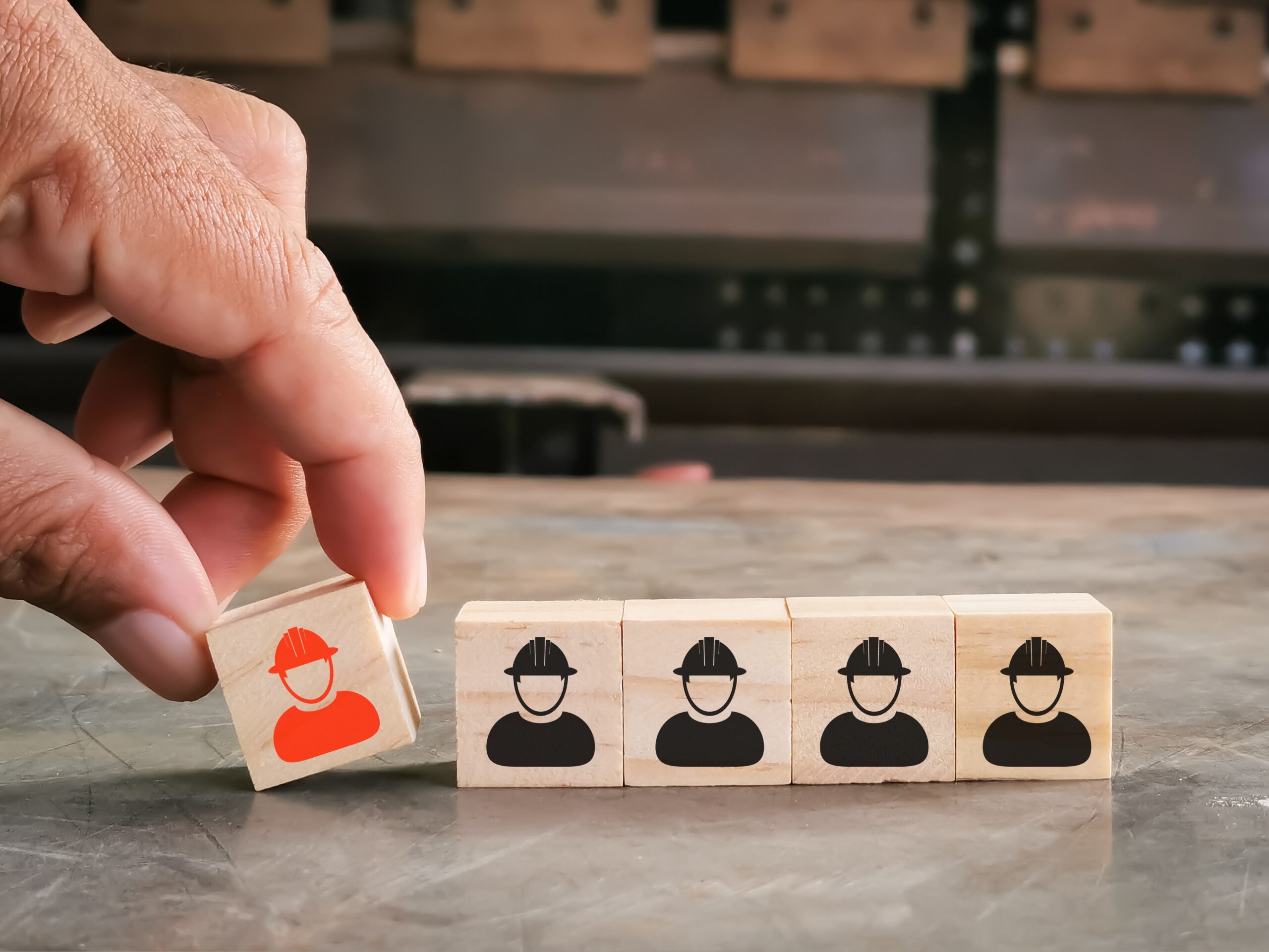

A lot of people still think hiring starts when a new employee walks through the door on their first day. In reality, that is way too late.
In 2026, businesses are learning that the success of a new hire often depends on everything that happens before onboarding even begins. The job post, the screening process, the communication, the expectations, and the way the role is positioned all shape what happens next. If those pieces are rushed or unclear, companies usually feel the effects later through turnover, performance issues, missed production goals, and teams that never seem fully stable.
That is why workforce management now starts long before day one. It begins with planning. It begins with understanding the role, knowing what kind of person will actually succeed in it, and putting a smarter system in place to connect with the right candidates from the start. Instead of treating hiring like a separate task, more businesses are realizing that staffing, operations, performance, and retention are all connected.
When companies approach hiring with that mindset, they build stronger teams and reduce the stress that comes with constantly replacing people who were never the right fit in the first place.
Hiring Is No Longer Just About Filling Open Positions
For years, many businesses treated hiring like a fast reaction to an immediate need. Someone left, production increased, a department got stretched thin, and the company rushed to fill the gap. That approach may solve a short-term problem, but it often creates long-term issues.
When hiring decisions are rushed, it becomes easier to overlook the things that really matter. A candidate may seem available, but not prepared. They may look good on paper, but not fit the pace, environment, or expectations of the job. And when that happens, the business ends up spending even more time, money, and energy trying to fix the problem later.
That is why companies are becoming more intentional. They are starting to ask better questions upfront:
- What does success in this role actually look like?
- What kind of experience matters most?
- What issues have past hires run into?
- What should be screened before the interview stage?
- What does this team truly need right now?
These questions may seem simple, but they can completely change the hiring process. They help businesses move away from guesswork and toward better planning.
Strong Teams Usually Start With Better Targeting
One of the biggest shifts in hiring right now is the move toward targeted recruitment.
Instead of posting a role everywhere and hoping the right candidates eventually show up, businesses are being more deliberate about where they look, how they communicate the opportunity, and what kind of applicant they want to attract. This makes the process more efficient, but it also makes it more human.
Candidates can tell when a company knows what it is looking for. The role feels clearer. The expectations make more sense. The process feels more organized. That kind of clarity helps attract people who are more likely to fit the position and move forward with confidence.
This is especially important in operational, industrial, technical, and fast-paced work environments where the wrong hire can affect much more than a single department. One weak link can disrupt timing, productivity, safety, and morale.
A more focused recruitment process helps businesses:
- reduce wasted interviews
- improve hiring speed without lowering standards
- attract more relevant applicants
- support smoother onboarding
- build stronger team consistency
In other words, the more intentional the search is, the better the results usually are.
Good Workforce Management Depends on the Right People From the Start
A business can have strong systems, solid supervisors, and clear goals, but if the wrong people are placed in key roles, everything becomes harder. This is why securing qualified personnel has become a much bigger priority for businesses in 2026. Employers are not just asking whether someone can technically do the job. They are also thinking about whether that person can perform consistently, adapt to the pace of the environment, communicate well, and contribute to the team in a practical way.
That shift matters. A candidate who looks acceptable in a rushed hiring process may not always be the person who helps the business move forward. On the other hand, when companies slow down just enough to identify stronger matches early, they often create better outcomes across the board.
Qualified hiring supports:
- better daily performance
- fewer disruptions during training
- improved accountability
- stronger retention
- more predictable operations
- less strain on supervisors and coworkers
This is one of the reasons workforce planning and recruitment are becoming more closely connected. Businesses are no longer seeing hiring as just an HR function. They are seeing it as a direct part of business performance.
The Real Goal Is Not Just Hiring Fast. It Is Hiring Well.
There is always pressure to move quickly when roles need to be filled. That part is understandable. Delays can create real problems, especially when workloads are growing or deadlines are tight. But speed alone is not the answer.
In fact, hiring too quickly without the right structure often creates more instability.
That is why more employers are focusing on how to identify skilled talent earlier in the process. The goal is not simply to fill positions fast. It is to make smarter decisions that hold up after the hire is made.
This often comes down to better preparation before recruitment begins. Businesses that hire well usually take time to define the role clearly, align internally on expectations, and understand what capabilities truly matter in the position. Once that foundation is in place, everything else becomes easier.
The search becomes more focused. The interviews become more useful. The screening becomes more meaningful. The final choice becomes more confident.
And perhaps most importantly, the employee starts with a clearer understanding of what the job requires, which can make the transition into the role much smoother.
Why Day One Is Actually the Result, Not the Beginning
This is where many companies are changing their mindset. Day one used to be treated like the beginning of the employee experience. In many ways, it still is. But when it comes to workforce success, day one is actually the result of everything that came before it.
If expectations were clear during the hiring process, onboarding feels smoother. If the role was accurately described, performance improves faster. If communication was consistent, the employee starts with more trust. If the candidate was truly a good fit, managers spend less time correcting avoidable issues.
That is why better hiring has such a strong effect on operations. It creates momentum before the employee even arrives. And in industries where efficiency and dependability matter every day, that momentum can make a major difference.
Workforce stability does not happen by accident. It is built through planning, structure, and better decisions made early.
A More Human Hiring Process Creates Better Business Results
One of the most important things companies are realizing is that people respond better to hiring processes that feel real, respectful, and organized.
Candidates want to know that the company values their time. They want clarity. They want honest expectations. They want communication that does not leave them guessing. Businesses want the same kind of confidence in return. They want employees who understand the role, are prepared for the work, and feel aligned from the beginning.
When that mutual clarity exists, hiring tends to go better.
For CASEEM, this reflects a modern approach to supporting businesses that need stronger teams, better planning, and a more dependable path to long-term workforce stability. Instead of waiting until someone starts to think about performance and structure, the smarter move is to start building that foundation earlier.
That is what makes today’s hiring conversations different. They are no longer just about open positions. They are about readiness, alignment, and creating the right conditions for success before the first shift even begins.
Final Thoughts
The way businesses hire in 2026 has a direct impact on how well they operate afterward. When companies start thinking about team success before a new employee’s first day, they usually make better decisions, create smoother transitions, and reduce the problems that come from rushed hiring. A more thoughtful process helps businesses stay organized, improve retention, and build teams that are better prepared from the beginning. CASEEM understands that long-term workforce stability starts with strong planning, clear expectations, and a hiring process that feels intentional from the very start.